
Your Roof vs. Triple-Digit Temps: A Homeowner's Guide to Protecting Your ATX Home
Another summer in Austin means enjoying Barton Springs, seeking out shade on the Greenbelt, and watching the AC unit work overtime. While we’re finding ways to stay cool, one of the hardest-working parts of our home is silently baking under the sun: the roof. Those relentless triple-digit temps do more than just raise our energy bills; they can cause significant, long-term damage to your roof's structure and integrity. Understanding how this intense heat affects your roof is the first step in protecting your most valuable asset. In this guide, we'll break down the risks of extreme heat and provide actionable steps you can take to ensure your roof is ready to handle everything the Texas sun throws at it.
How Extreme Heat Wages War on Your Roof
The constant barrage of intense sunlight and high temperatures creates a harsh environment for any building material. Your roof, being the most exposed surface, bears the brunt of this assault. Here’s what’s happening up there on a scorching summer day:
-
UV Ray Degradation: Just like UV rays can damage your skin, they also break down the chemical bonds in roofing materials, particularly asphalt shingles. Over time, this photodegradation causes the shingles to become brittle, lose their protective outer granule layer, and become more susceptible to cracking and wind damage.
-
Thermal Shock: Austin weather can be unpredictable. A blistering hot afternoon can quickly give way to a sudden thunderstorm. This rapid temperature swing from extreme heat to cool rain causes roofing materials to expand and contract quickly—a phenomenon known as thermal shock. This repeated stress can lead to cracks, splits, and the weakening of seals around flashing and vents.
-
Adhesive Softening: The sealant strips that hold your shingles together and create a watertight barrier can soften and melt under extreme heat. This compromises their adhesive power, making the shingles more likely to lift or blow off during high winds. It also creates potential pathways for water to seep into your attic and home.
-
Attic Overheating: A poorly ventilated attic can trap super-heated air, reaching temperatures of 150°F or more. This intense heat radiates downward, forcing your HVAC system to work harder and increasing your energy costs. It also accelerates the aging of the roof deck and the shingles from the underside.
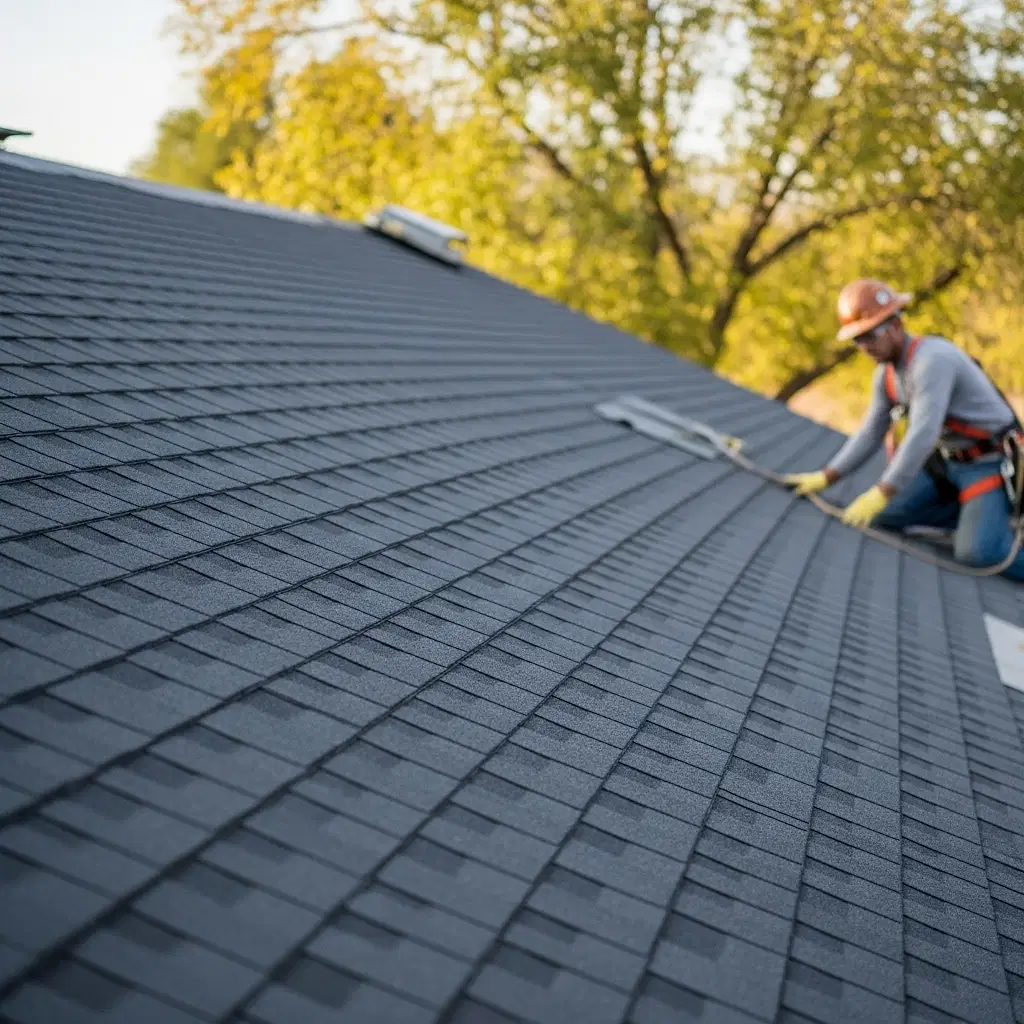
Warning Signs: What Heat Damage Looks Like
Catching heat-related roof damage early can save you from more extensive and costly problems down the line. It’s a good idea to perform a visual inspection from the ground (using binoculars for safety) a few times during the summer. Here are some key warning signs to look for:
-
Curling or Cracking Shingles: Look for shingles whose edges are turning upward or that have visible cracks and splits. This is a classic sign that the shingles have become brittle from heat and UV exposure.
-
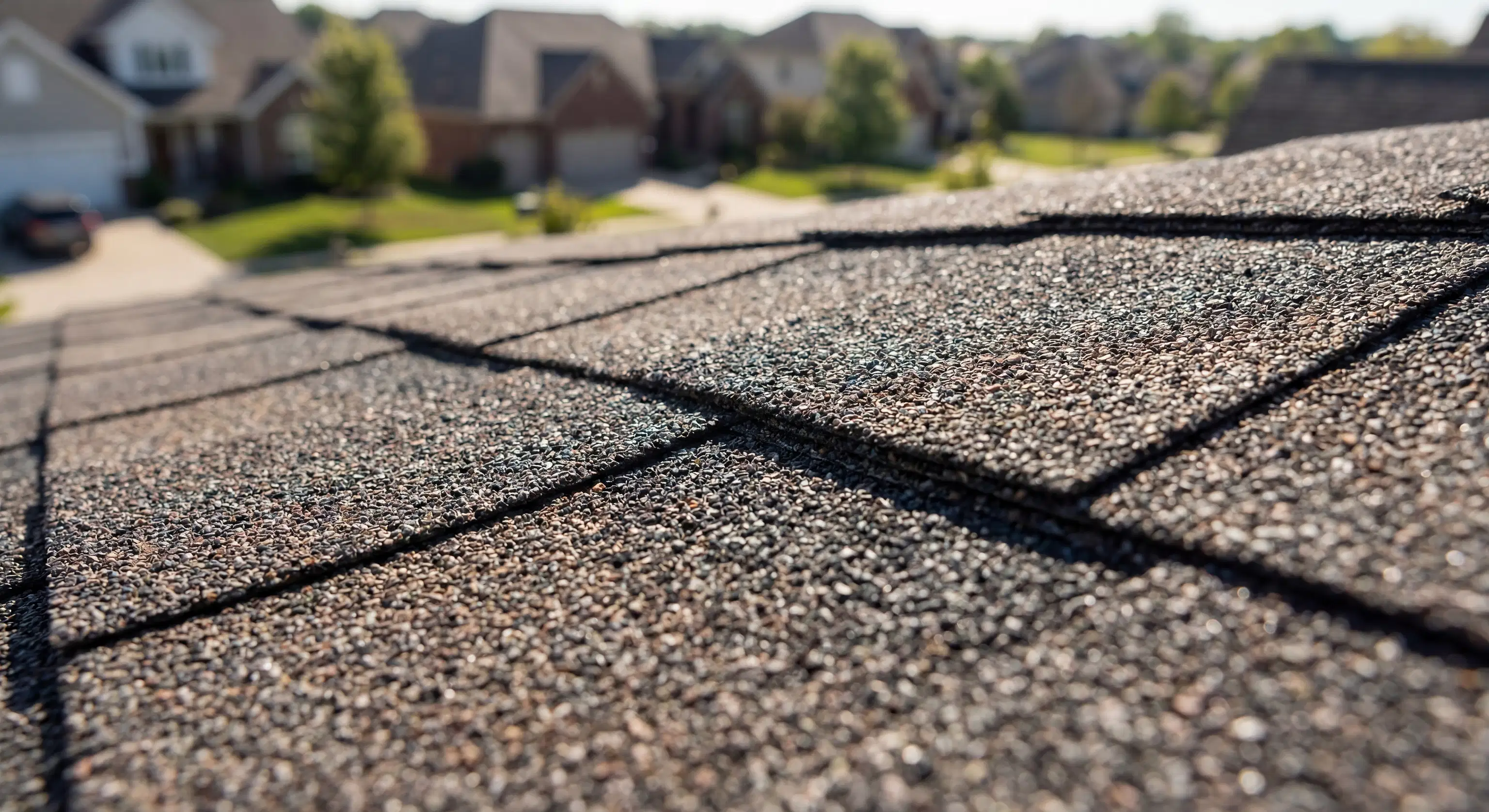
Excessive Granule Loss: Check your gutters and downspouts for an accumulation of black, sand-like granules. These granules are the top protective layer of your shingles, shielding them from the sun. When they fall off, the underlying asphalt is exposed, accelerating deterioration.
-
Warped or Damaged Flashing: The metal strips around chimneys, vents, and skylights (flashing) are crucial for preventing leaks. Intense heat can cause the sealant around them to fail or the metal itself to warp, breaking the watertight seal.
-
Dark Streaks or Discoloration: While often associated with algae, dark spots can also indicate that the protective granules have worn away, exposing the asphalt beneath.
Proactive Solutions for a Resilient Texas Roof
Fortunately, you don't have to leave your roof's fate to the mercy of the sun. By taking proactive steps, you can fortify your home against the summer heat and prepare it for the inevitable hail season that follows.
-
Prioritize Proper Ventilation: A well-ventilated roof system allows hot air to escape the attic, reducing heat buildup. This not only lowers your cooling costs but also extends the life of your shingles. Ensure your soffit and ridge vents are clear of debris and functioning correctly.
-
Choose the Right Materials: When it's time for a replacement, consider materials designed for our climate. Modern architectural and impact-resistant shingles are engineered for superior durability against both hail and the thermal stress caused by extreme heat. Lighter-colored or 'cool roof' shingles can reflect more sunlight, further reducing heat absorption.
-
Schedule Regular Check-ups: The best defense is a good offense. A professional roof maintenance plan can identify and address minor issues before they escalate. An expert can spot failing sealants, clear debris that traps heat and moisture, and ensure your roof is in peak condition to handle both summer heat and spring storms.
-
Address Damage Promptly: If you spot any of the warning signs mentioned above, don't wait. A small crack or a few missing granules can quickly lead to a significant leak. Timely roof repairs are essential to maintaining your home's protective barrier and preventing small problems from becoming big headaches.
Protect Your Home Today
The Austin sun is a powerful force, but it doesn't have to win the battle against your roof. By understanding the risks, knowing the warning signs, and investing in proactive care, you can ensure your roof remains a reliable shield for your home for years to come.
Don't let the summer heat get the best of your roof. If you're concerned about potential heat damage or want to prepare your home for the next season, contact the experts at Right On Roof On Construction & Claims Services LLC. We offer comprehensive inspections, maintenance, and repair services to keep your Austin home safe and secure. Schedule your free roof health assessment today!