
Your Guide to Navigating Austin's Building Codes for a Roof Replacement
Getting a new roof is a significant investment in your home’s safety and value. While choosing the right materials and color is exciting, there’s a crucial, often overlooked, step in the process: ensuring the entire project complies with local building codes. Here in Austin, these regulations are more than just bureaucratic red tape; they are essential standards designed to protect your home from our unique climate challenges. Understanding the basics of these codes can mean the difference between a smooth, successful project and one fraught with costly delays and future headaches. This guide will walk you through what Austin homeowners need to know about the permitting and inspection process, ensuring your new roof is built right, built to last, and fully compliant.
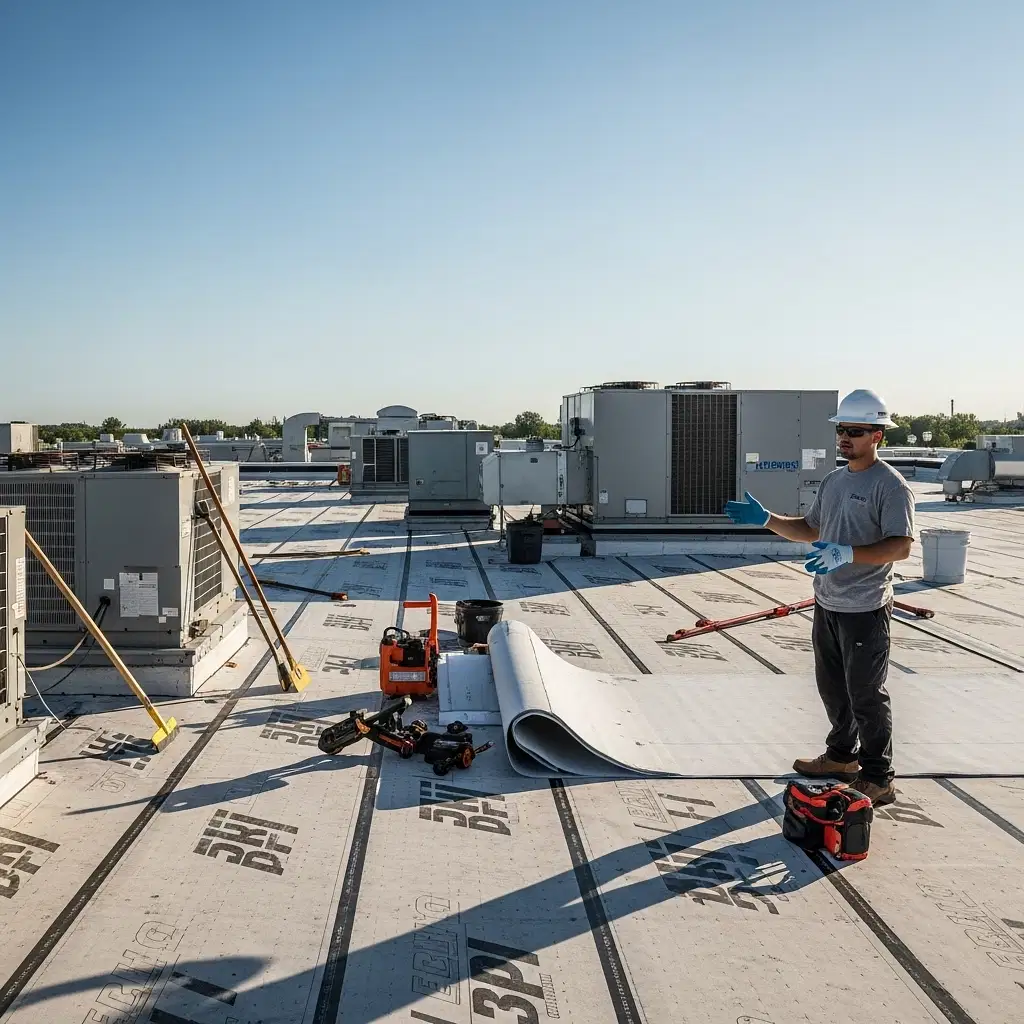
Why Roofing Codes Matter More Than You Think
It's easy to view building codes as a hassle, but they serve a vital purpose for every homeowner. These regulations are in place to guarantee a minimum standard of quality and safety for all construction work, and roofing is no exception. For our area, they are specifically tailored to address the realities of Central Texas weather.
- Protection from the Elements: Austin is no stranger to severe weather, from intense hail season to high winds and torrential downpours. Local codes mandate specific installation techniques and materials that help your roof withstand these forces, preventing leaks, wind damage, and premature failure.
- Ensuring Energy Efficiency: With our notorious triple-digit temps, energy efficiency is a top priority. Austin's energy codes include requirements for roof ventilation and insulation. A compliant roof replacement can lead to significant savings on your cooling bills by helping your home stay cooler in the summer.
- Preserving Home Value and Insurability: A non-compliant roof can cause major problems down the line. It can be a red flag for potential buyers and, more critically, could lead to your insurance company denying a claim for future damage. A fully permitted and inspected roof is a documented asset that proves the work was done to professional standards.
Key Code Requirements for Austin Homeowners
While your contractor will handle the technical details, having a basic understanding of the process empowers you to ask the right questions. Here are the main components of a code-compliant roofing project in the ATX.
1. The Building Permit: Nearly all full roof replacements require a permit from the City of Austin Development Services Department. This is the official starting line for your project. Attempting a replacement without a permit can result in fines and an order to halt work. A reputable, licensed contractor will always secure the necessary permits before ordering materials or starting the job.
2. Material and Installation Standards: The codes specify requirements for everything from the type of underlayment used to the number and placement of nails. For example, regulations dictate proper flashing around chimneys and vents, as well as specific drip edge installation to protect the underlying wood. These standards are particularly important when installing specialty products like impact-resistant shingles, which are designed to hold up during our spring hailstorms.
3. The Inspection Process: Once the permit is issued, the city requires inspections to verify the work meets code. A city inspector will typically visit the site to check the work at a key stage—often after the old roof is removed and the new underlayment is down, but before the final shingles are installed. They check that the decking is sound and that all foundational components are correctly in place. A final inspection may also be required upon completion. This third-party verification is your ultimate assurance of quality.
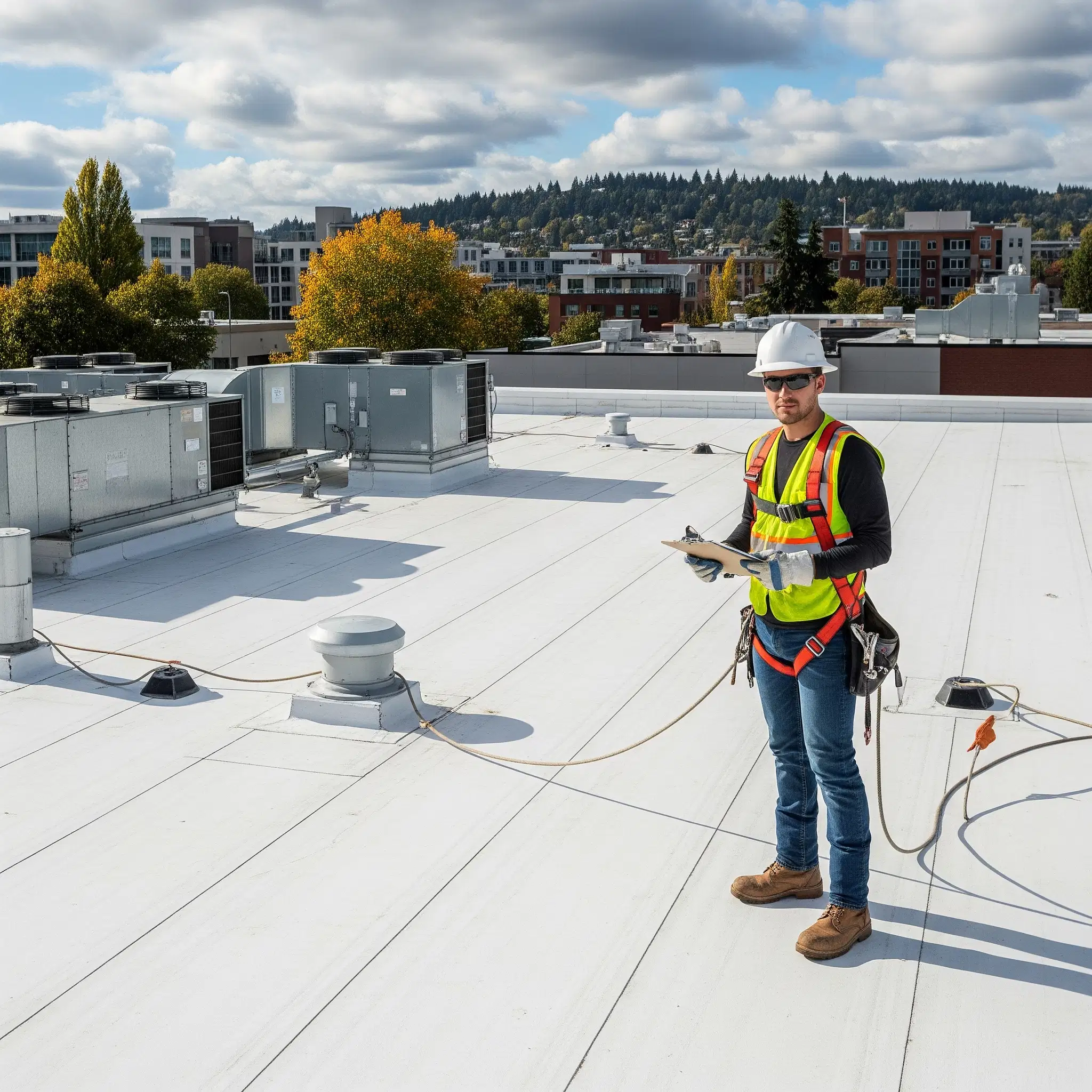
Your Contractor's Role: Your Partner in Compliance
Navigating this landscape of permits and inspections can seem daunting, but it doesn't have to be. The single most important decision you can make is choosing a qualified, local roofing contractor who understands Austin's specific requirements. A professional roofer acts as your guide and advocate throughout the entire process.
Here’s what to expect from a compliance-focused contractor:
- Licensed and Insured: They should be fully licensed and insured to operate in Austin. This is non-negotiable and protects you from liability.
- Permit Management: They will handle the entire permit application process on your behalf, submitting the necessary paperwork and plans to the city.
- Inspection Coordination: They will schedule and manage all required city inspections, ensuring their team is ready and the site is accessible for the inspector.
- Local Expertise: An experienced Austin roofer is familiar not only with city codes but also with the varying requirements of different HOAs throughout the Hill Country and surrounding neighborhoods.
- Post-Storm Knowledge: After a major weather event, navigating codes is crucial for your insurance claim. A contractor experienced in storm damage inspections will ensure that the repair or replacement plan they submit to your insurer is fully code-compliant from the start, preventing potential claim disputes.
A Compliant Roof is a Secure Investment
Ultimately, Austin's building codes are designed to protect you, your family, and your investment. By ensuring your roof replacement is properly permitted and inspected, you gain the peace of mind that comes from knowing the job was done right. The process guarantees that your new roof is not only beautiful but also safe, durable, and ready to handle everything the Texas weather throws at it.
At Right On Roof On Construction & Claims Services LLC, we manage every aspect of your project with a commitment to full compliance and transparency. If you're planning a roof replacement in the Austin area, let our experts handle the details. Contact us today for a comprehensive inspection and a free estimate, and let's build you a roof that stands the test of time.