
Protecting Your Home: How to Prevent Roof Valley Leaks from Debris
When you look up at your home, the architectural lines where two sloping roof sections meet probably aren't the first thing you notice. These intersections, known as roof valleys, are critical channels designed to direct rainwater safely off your house and into your gutter system. However, they are also the most vulnerable points on your entire roof. If you live in Austin, you know that our beautiful, mature trees are a major part of the local charm, but they also drop a significant amount of leaves, acorns, and branches throughout the year.
When this organic matter accumulates in the dips and channels of your roof, it creates a perfect storm for water intrusion. Preventing roof valley water leaks starts with understanding how these crucial drainage points function and what happens when they get clogged. As a homeowner, staying ahead of maintenance not only preserves the structural integrity of your property but also saves you from the stressful, unexpected costs of major interior water damage. Let's break down exactly why debris is so harmful, what warning signs you should look for, and how to keep your roof valleys clear and functional year-round.
The Hidden Dangers of Debris Accumulation
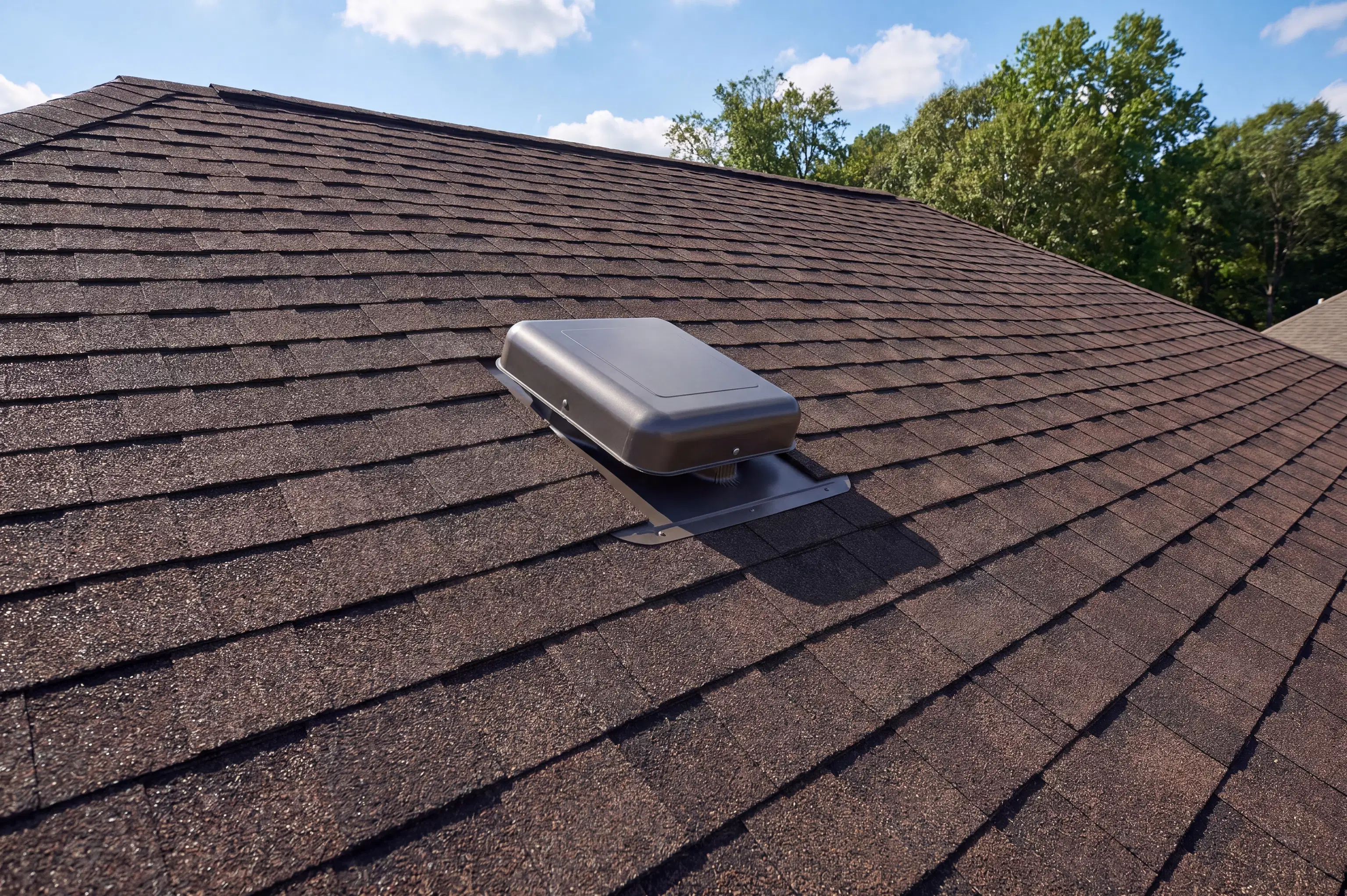
Your roof valleys act like the gutters of your roof's surface. When rainwater hits the slopes, it rushes down into the valley, which funnels it away. But when leaves, twigs, and dirt pile up in these channels, they create a physical dam. Instead of flowing freely, water pools behind the debris. Over time, this standing water can back up underneath your shingles, seeping through the underlayment and eventually finding its way into your attic and ceilings.
This problem is heavily compounded by local seasonal changes. During our infamous Cedar Fever season, massive amounts of acidic juniper needles rain down on local homes. These needles are particularly notorious for clinging to shingles and packing tightly into roof valleys. When this acidic organic matter gets wet and begins to decompose, it traps moisture directly against your roofing materials.
This continuous exposure to moisture, combined with the brutal baking of the Texas heat, rapidly accelerates the breakdown of your asphalt shingles. In fact, tree debris damage on roof shingles is one of the most common issues we see during our inspections. The granules on the shingles loosen, the asphalt base becomes brittle, and the protective waterproofing layer fails much sooner than it should. By the time the next heavy rainstorm rolls through, the compromised shingles are completely defenseless against water intrusion.
Spotting the Red Flags Before It's Too Late
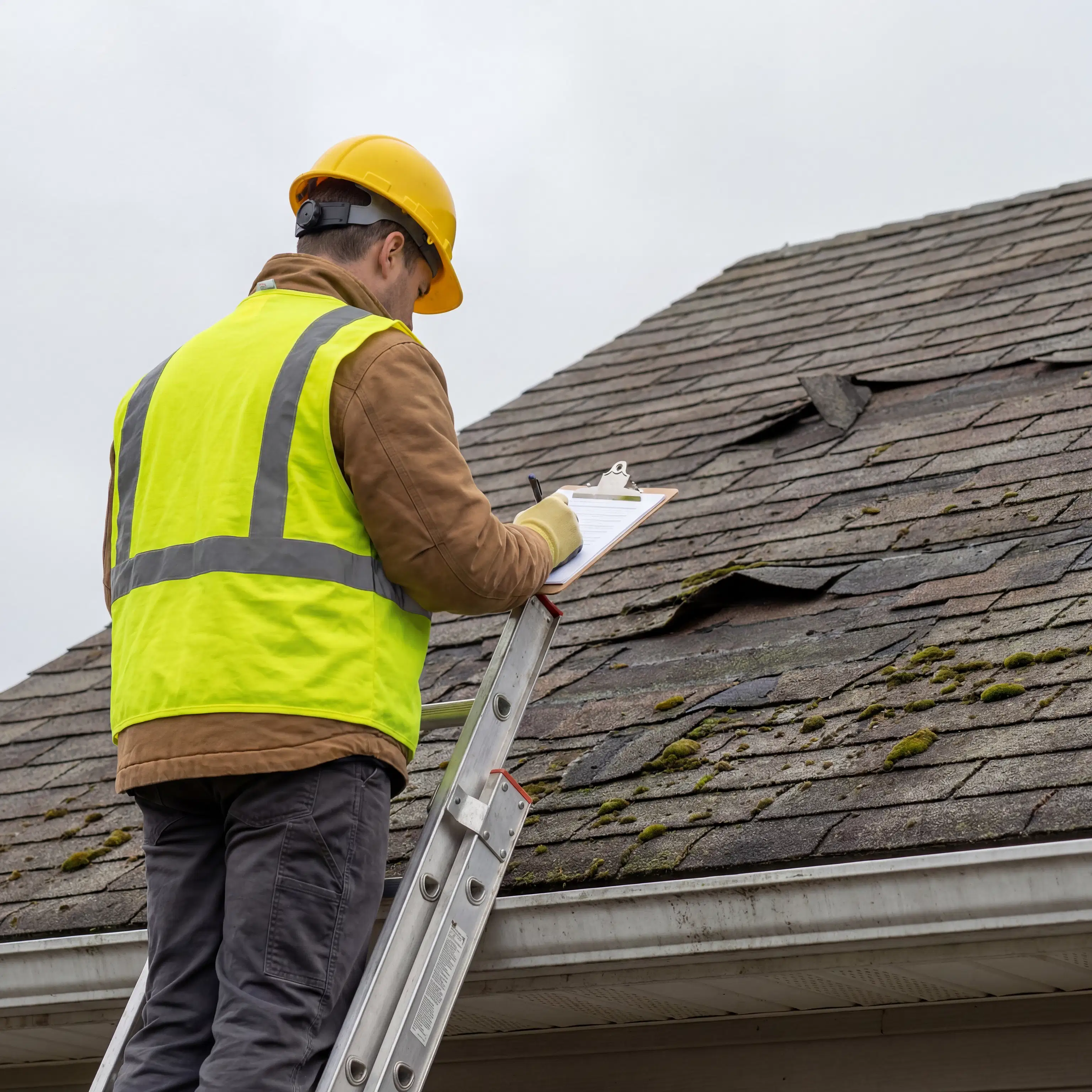
Underneath the shingles in your roof valley lies a critical piece of weatherproofing known as flashing. Flashing is typically a strip of metal—often galvanized steel or aluminum—that provides a waterproof barrier in this high-stress area. However, when wet debris sits on top of the valley for extended periods, even the highest quality metal flashing can begin to suffer.
It is crucial to catch these issues early. If you know the signs of deteriorating roof valley flashing, you can act before a minor flaw becomes a catastrophic leak. Look out for the following red flags:
- Visible rust or severe discoloration along the exposed metal of the valley.
- Shingles adjacent to the valley that appear curled, cracked, or excessively worn compared to the rest of the roof.
- Granule loss accumulating heavily at the bottom of the valley or inside your gutters.
- Soft spots in the roof decking when walked on by a professional.
- Unexplained water stains on your ceiling, particularly in rooms that sit directly below a roof intersection.
If you notice any of these symptoms, do not wait for the next severe weather event to test your roof's limits. Reach out to a trusted professional for comprehensive Roof Repairs. Addressing flashing deterioration early is vastly more affordable than dealing with the aftermath of a full-scale leak that ruins your drywall, insulation, and personal belongings.
Your Seasonal Protection Strategy
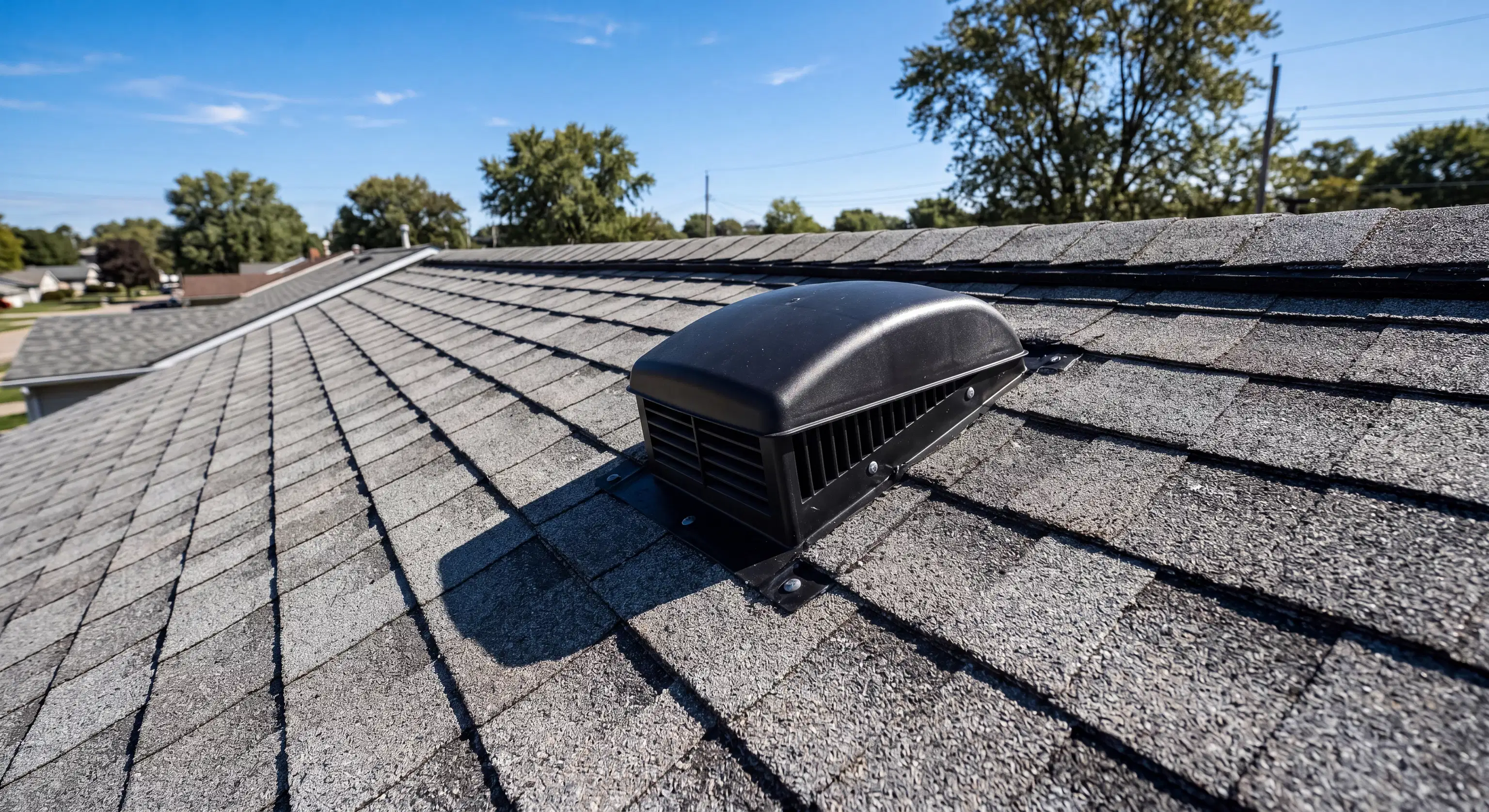
Keeping your home safe from water damage requires a proactive approach. While it might be tempting to grab a ladder and clear the roof yourself, navigating steep slopes is dangerous, especially if the surface is covered in slippery, wet leaves. Instead, we highly recommend partnering with a professional contractor who uses proper safety equipment and modern assessment tools, like drone technology, to evaluate your property without causing accidental damage.
A comprehensive, routine roof tune up checklist should be completed at least twice a year—ideally in the late fall after the leaves have dropped, and again in the spring before the heavy storm season begins. A thorough maintenance visit will typically include:
- Carefully removing all loose debris, leaves, and branches from the roof valleys and surrounding slopes.
- Clearing out the gutters and downspouts to ensure water has a clear exit path once it leaves the valley.
- Trimming back any overhanging tree branches to reduce the amount of debris falling onto the roof in the first place.
- Inspecting all flashing around valleys, chimneys, and vents for signs of rust, lifting, or sealant failure.
- Securing any loose shingles and checking for signs of hail or wind damage.
By investing in regular Roof Maintenance, you ensure that water always flows exactly where it's supposed to. Furthermore, building a relationship with a local, licensed contractor protects you from out-of-state storm chasers who often flood the area after severe weather, promising quick fixes but delivering subpar workmanship.
Secure Your Peace of Mind Today
Your roof is your home's first line of defense against the elements. Don't let a simple buildup of leaves in your roof valleys turn into a costly, stressful interior leak. By staying proactive and relying on experienced professionals who understand the unique challenges of the CenTex climate, you can extend the lifespan of your roof and protect your investment for decades to come.
If y'all are concerned about debris buildup, suspect you might have a hidden leak, or simply want to get ahead of the next storm season, Right On Roof On Construction & Claims Services LLC is here to help. Our team provides detailed Storm Damage Inspections, specialized Roof Maintenance, and expert Roof Repairs to keep your property safe. If the damage is extensive, we also offer comprehensive Roof Replacement services featuring Impact Resistant Shingles and Metal Roofing, backed by robust Insurance Claim Assistance and flexible Financing options. Contact us today to schedule your evaluation and experience roofing done right.