
Preventing Ponding Water on Flat Roofs
After a heavy downpour, a small amount of water on a low-slope roof is not unusual. The concern begins when puddles remain for more than 48 hours under normal drying conditions. Persistent ponding can strain the roof assembly, collect debris, accelerate membrane deterioration, and eventually contribute to leaks.
For property owners across Austin, intense rain followed by strong sun can make drainage problems especially hard on roofing materials. The good news is that most flat roof ponding water solutions begin with practical steps: routine inspections, clear drainage paths, prompt repairs, and a roof system designed with positive drainage in mind.
This guide explains why standing water develops, how to prevent it, and when professional roof repairs may be necessary.
Why Water Collects on a Flat Roof
Despite the name, a flat roof should not be perfectly level. It needs a slight, consistent slope that directs water toward drains, scuppers, or gutters. Ponding usually indicates that water cannot follow its intended path.
Common causes include:
- Clogged drains and scuppers: Leaves, dirt, roofing granules, and windblown debris can restrict water flow.
- Poor original design: Too few drains, undersized outlets, or insufficient slope can create recurring low spots.
- Compressed insulation: Foot traffic, equipment, or moisture within the assembly can cause insulation to settle.
- Structural movement: Deck deflection or building settlement may alter the roof's drainage plane.
- Improper repairs or equipment installation: Patches, rooftop HVAC curbs, and utility lines can unintentionally block water.
- Damaged seams or flashing: Standing water can exploit weak seams, punctures, and deteriorated penetrations.
A shallow puddle does not automatically mean the entire roof must be replaced. Its location, depth, duration, and effect on the membrane all matter. A qualified inspection should determine whether the issue is isolated or part of a broader drainage or structural problem.
How to Prevent Standing Water
Preventive care is typically less disruptive and more economical than waiting for water to enter the building. A dependable roof maintenance plan should include the following steps.
Keep drainage components open
Inspect drains, strainers, gutters, downspouts, and scuppers regularly. Clear loose debris without pushing it farther into the drainage system. Trimming overhanging branches may also reduce leaf accumulation, although safe access and proper fall protection are essential.
Schedule inspections at the right times
Arrange professional inspections at least annually, after major storms, and whenever water remains longer than expected. Seasonal inspections are useful before periods of heavy rain and after the roof has endured months of Texas-sized heat. Modern contractors may use drone imagery and digital documentation to inspect broad roof areas efficiently, but hands-on evaluation is still important when checking seams, flashing, and membrane condition.
Control rooftop traffic
Unnecessary foot traffic can puncture membranes and compress insulation. Designated walk pads help protect routes used by HVAC technicians and other trades. Anyone working on rooftop equipment should avoid placing tools or materials directly on vulnerable membrane areas.
Watch for early warning signs
From the ground or inside the building, look for ceiling stains, musty odors, damp insulation, peeling finishes, or unexplained increases in indoor humidity. On the roof, warning signs include sediment rings around puddles, algae growth, cracked patches, open seams, and soft areas underfoot. Do not climb onto a wet roof to investigate; slick membranes and hidden weak spots create serious hazards.
How Professionals Fix Ponding Water on a Flat Roof
The right repair depends on why the water is collecting. Simply coating the puddled area rarely addresses the underlying cause. After examining the membrane, insulation, deck, drainage layout, and rooftop equipment, a contractor may recommend one or more of these measures:
- Clean or repair drainage components. A blocked drain may only need careful cleaning, while a damaged bowl, strainer, seal, or downspout may require replacement.
- Add or reposition drains and scuppers. Recurring water can indicate that the existing drainage capacity or placement is inadequate. Changes should be properly designed rather than improvised.
- Install tapered insulation or crickets. Tapered systems create slope, while crickets divert water around HVAC curbs, parapets, and other obstructions.
- Replace saturated insulation. Wet insulation can lose performance and create a depressed area that holds even more water. Moisture mapping or test cuts may be used to define the affected section.
- Repair membrane seams and punctures. Compatible materials and manufacturer-approved techniques are important, particularly around penetrations and previous patches.
- Correct structural deflection. If the deck is sagging, a roofing patch alone will not solve the problem. A structural professional may need to evaluate the load and supporting system.
For a TPO roof, drainage repair may involve heat-welded patches, seam corrections, tapered insulation, or drain-flashing replacement. TPO roofing systems offer reflective surfaces and strong welded seams when correctly designed and installed, but they still require positive drainage and routine care.
Never puncture the membrane or cut a makeshift drainage channel. That can turn a manageable puddle into an immediate leak and may affect warranty coverage.
Repair, Restoration, or Replacement?
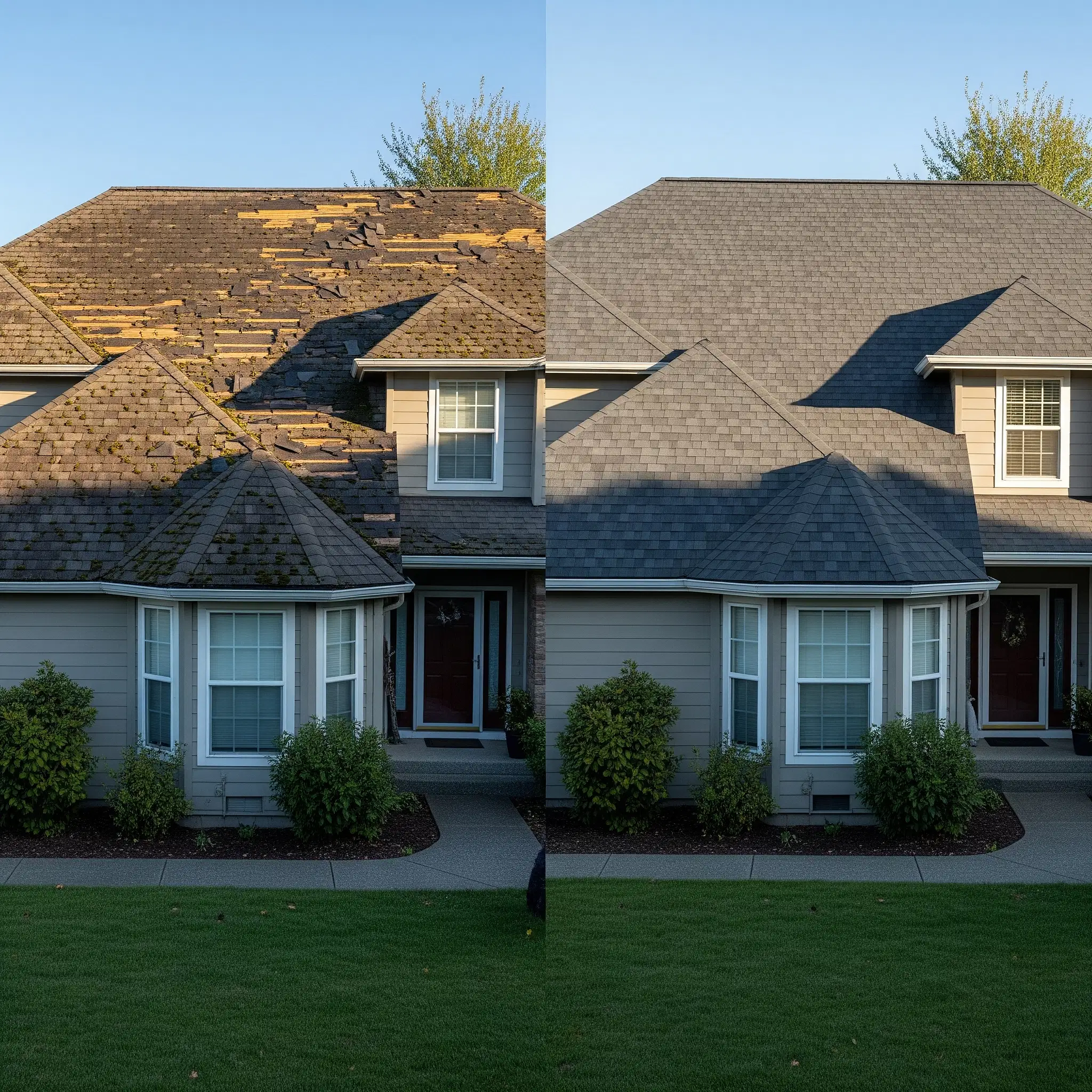
Repair is often appropriate when the membrane is generally sound and ponding is limited to a drain, seam, puncture, or small low area. Broader corrective work may be necessary when water appears in multiple locations, insulation is saturated, the deck has deflected, or the membrane is approaching the end of its service life.
Cost cannot be determined from roof size alone. Access, drainage modifications, wet insulation, membrane type, structural work, and material availability all affect the estimate. Ask for a written scope identifying the cause, proposed correction, materials, exclusions, and warranty terms. Material pricing can change, so also ask how long the quote remains valid.
Insurance may cover sudden, direct storm damage depending on the policy, but it commonly excludes deterioration, deferred maintenance, or faulty installation. Document the roof before and after storms, save maintenance records, and report suspected damage promptly. Right On Roof On Construction & Claims Services LLC assists with insurance claims, but coverage decisions remain with the insurer.
When evaluating roofing companies, request proof of general liability and workers' compensation coverage, relevant manufacturer credentials, references, and clear workmanship warranty terms. Texas does not issue a statewide roofing contractor license, making verifiable insurance, documented experience, safe work practices, and transparent communication particularly important.
Stop Ponding Before It Becomes a Leak
Clear drains, consistent inspections, controlled rooftop traffic, and properly designed slope are the foundation of effective ponding prevention. If water remains after 48 hours, returns after every storm, or accompanies interior moisture, it is time for a professional assessment.
Right On Roof On Construction & Claims Services LLC provides roof maintenance, TPO roofing systems, roof repairs, storm damage inspections, insurance claim assistance, financing, and 24-hour emergency services for Austin property owners. Y'all can contact the team to schedule an inspection and get a detailed plan based on the roof's actual condition.