
Maximizing Your Savings: A Guide to Austin Energy Rebates for Reflective Roofing
If you have lived through a full year in CenTex, you know our weather is a study in extremes. We transition rapidly from a volatile spring hail season straight into a brutal summer where the Texas heat feels relentless. As temperatures climb into the triple digits, our air conditioning units work overtime, and energy bills skyrocket. But did you know that your roof plays a massive role in how hot your home gets?
Upgrading to a reflective roof can significantly lower your cooling costs. Even better, local utility programs offer substantial incentives to help you make the switch. Let's explore how you can take advantage of these rebates to make your next roofing project more affordable and your home much more comfortable.
What is Reflective Roofing?
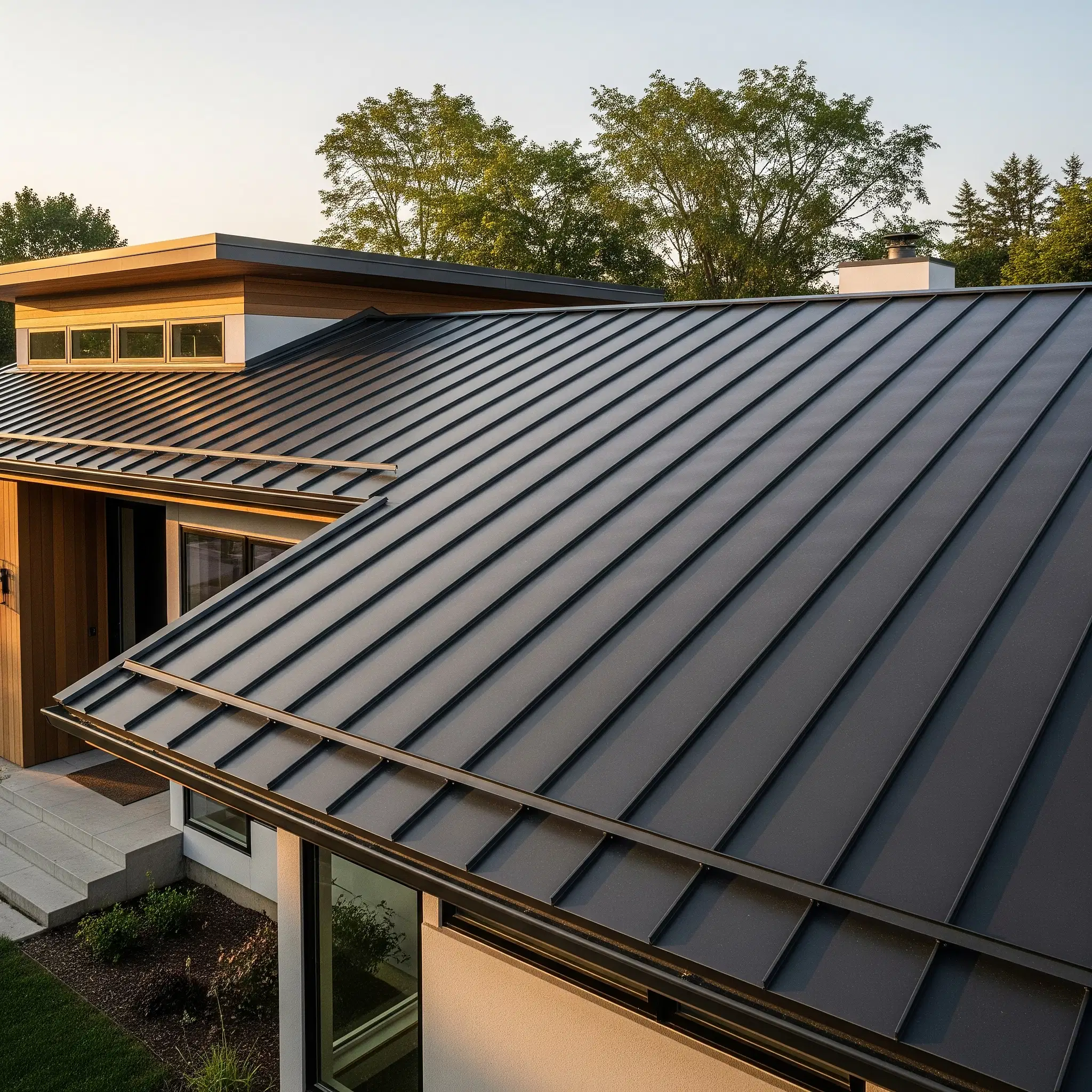
When homeowners ask us, "What is the best roofing material to withstand the hot summer months?" we often point them toward reflective roofing, commonly known as a cool roof. Traditional dark asphalt shingles absorb a tremendous amount of solar heat, transferring it directly into your attic and living spaces. Reflective roofs are engineered to do the exact opposite. They reflect sunlight and absorb less heat, keeping your home cooler and drastically reducing the strain on your HVAC system.
For flat or low-slope roofs, TPO roofing systems are an incredibly popular and energy-efficient choice. TPO (Thermoplastic Polyolefin) is a single-ply white membrane that reflects UV rays exceptionally well, leading to noticeable TPO roofing installation cost savings over time through reduced utility bills. For steeper pitched roofs, standing seam metal roofs with reflective coatings are fantastic options that also beautifully complement the popular Hill Country modern architectural style. Not only do these materials help combat the urban heat island effect, but they also align with increasingly strict local green building codes and energy-efficiency mandates.
Understanding the Financial Incentives
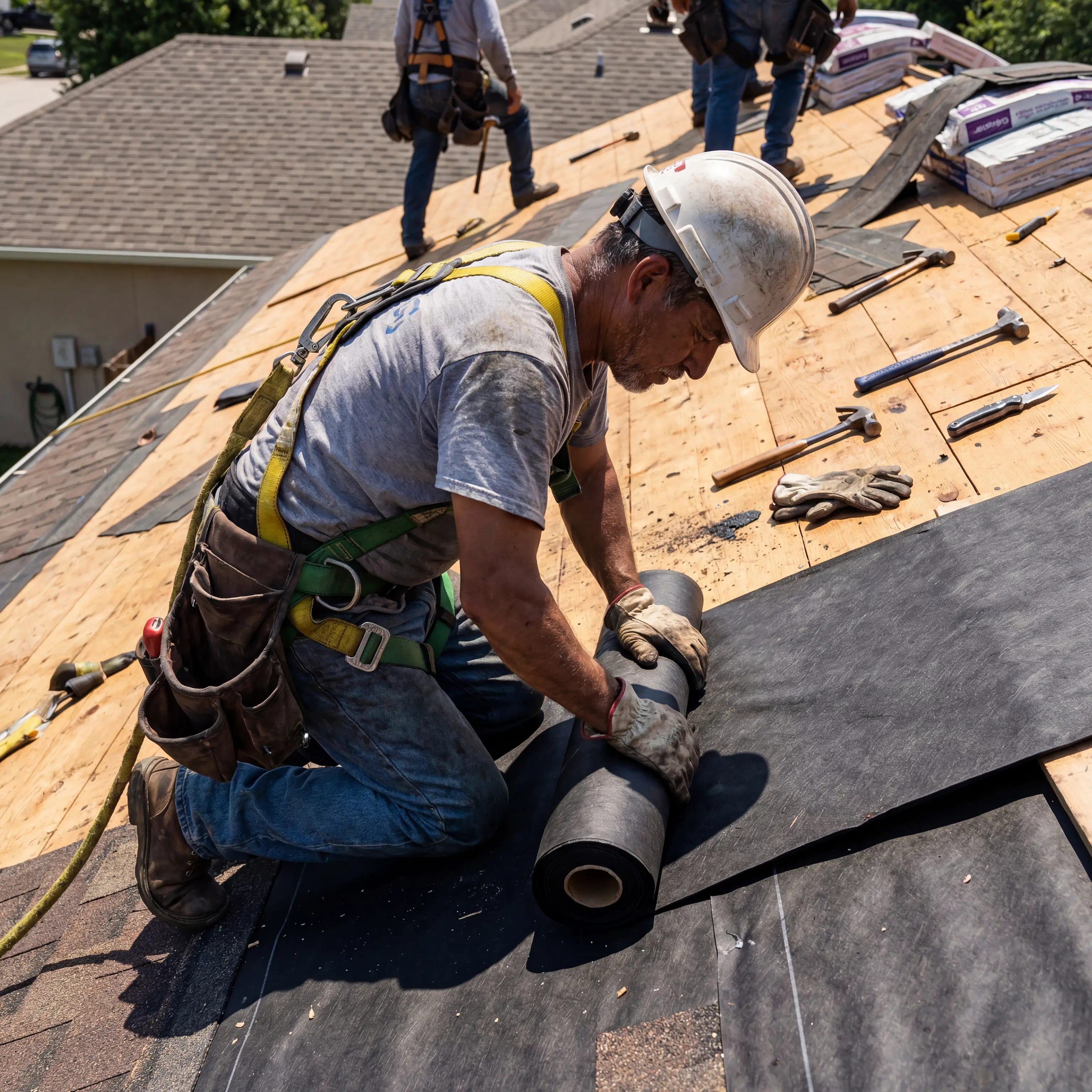
We know that a major concern for many homeowners is the upfront cost of home improvements, especially if you are dealing with delayed insurance payouts after a severe storm. Fortunately, there are several ways to offset these expenses. Local utility providers frequently offer rebates for energy efficient roof replacement projects. These programs are designed to reward homeowners who choose materials that reduce overall energy consumption on the grid.
To qualify for a residential cool roof financial incentive, the materials installed must meet specific solar reflectance and thermal emittance standards. It is also highly recommended to explore federal tax credits for energy efficient roofing, which can provide additional savings come tax season. Navigating these requirements can feel overwhelming, but working with a knowledgeable contractor ensures you select the right materials to qualify for every available dollar. If you are worried about covering the initial costs while waiting for rebates to process, we offer flexible financing options to help keep your project moving without straining your cash flow.
The Installation Process and Permitting
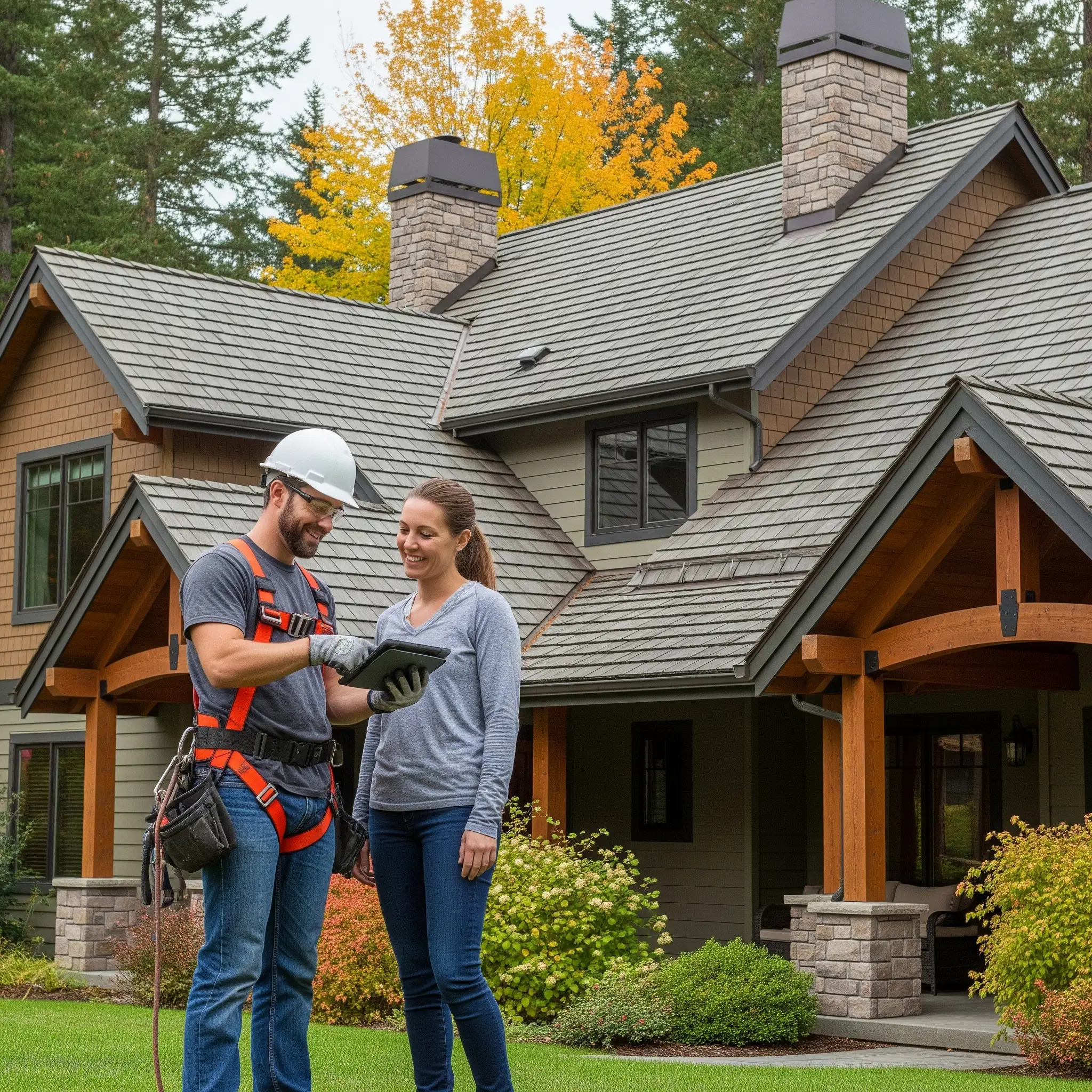
A common question we hear is, "Do I need a permit for a roof replacement?" The short answer is yes. Navigating local permitting requirements and energy-efficiency mandates is a standard part of the process, and a reputable contractor will handle all of this paperwork for you.
You might also be wondering how long the actual installation takes. While extreme summer temperatures can sometimes limit safe working hours for our crews—safety is always our top priority—a standard residential roof replacement typically takes just one to three days once the materials are delivered.
This brings up another critical point: choosing who installs your roof. After severe weather, our area is often flooded with out-of-state storm chasers. It is vital to choose a local contractor with a strong reputation, proof of robust general liability insurance, and manufacturer certifications. We prioritize clear communication, reliable project timelines, and strong workmanship warranties, so you always know exactly what to expect from start to finish. We also provide transparent, detailed estimates with no hidden fees.
Ready to Upgrade Your Roof?
Investing in an energy-efficient roof is one of the smartest decisions you can make for your home's comfort and your wallet. By taking advantage of available rebates and tax credits, you can significantly reduce the overall cost of your investment while enjoying lower utility bills for decades to come.
If y'all are ready to explore your options, Right On Roof On Construction & Claims Services LLC is here to help. Whether you are interested in upgrading to TPO roofing systems, need assistance with financing, or are ready for a full roof replacement in the Austin area, our team is committed to providing top-tier craftsmanship and exceptional customer service. Contact us today to schedule a consultation and get a transparent, detailed estimate for your home.